Stepping into the kitchen, whether you’re a seasoned chef or a budding home cook, demands precision. The secret weapon for consistently delicious results often lies in accurate measurements. While traditional measuring cups have long been kitchen staples, the rise of the digital kitchen scale and measuring cup duo has revolutionized how we approach recipes, offering unparalleled accuracy, convenience, and a pathway to culinary mastery. No more guessing, no more inconsistent bakes – just perfectly proportioned ingredients every single time.
|
Our Picks for the Best Digital Kitchen Scale in 2026
As an Amazon Associate I earn from qualifying purchases.
|
||
| Num | Product | Action |
|---|---|---|
| 1 | Digital Shipping Scales 440 pounds, Stainless Steel Heavy Duty Postal Scale for Warehouses, Homes, Offices, and Courier Companies, Including Product Manuals and adapters |

|
| 2 | Food Scale, Digital Kitchen Scale with Large Panel, Weight Grams and Ounces for Baking Cooking and Meal Prep, 6 Units with Tare Function, 11lb 5kg/0.1g Batteries and USB Charging |
|
| 3 | Etekcity Food Kitchen Scale, Digital Grams and Ounces for Weight Loss, Baking, Cooking, Keto and Meal Prep, LCD Display, Medium, 304 Stainless Steel |
|
| 4 | Nicewell Food Scale, 22lb Digital Kitchen Scale Weight Grams and oz for Cooking Baking, 1g/0.1oz Precise Graduation, Stainless Steel and Tempered Glass (Ash Silver) |
|
| 5 | BOMATA 0.01g/1kg Upgraded Small Digital Scale, USB Rechargeable, with Larger Display and Hold,Tare Function, 9 Units, High Precision Digital Scale Grams and oz for Small Item, Kitchen |
|
| 6 | Amazon Basics Digital Kitchen Scale with LCD Display, Batteries Included, Weighs up to 11 pounds, Black and Stainless Steel |
|
| 7 | Digital Kitchen Scale 30kg/66lb Large Food Scale for Baking Cooking Stainless Bread Scale with LCD Display Counting Scales for Commercial (Color : Stainless Black) |
|
| 8 | Industrial Counting Scale 30kg/66lb x 0.1g Precision Bench Scale Digital Inventory Counting Weight Scale for Small Parts and Coins, Electronic Gram Scale with Batteries/AC Power, lb/g/kg/oz |
|
| 9 | Etekcity Digital Food Kitchen Scale, Grams and Oz for Weight Loss, Baking and Cooking, 0.05oz/1g Precise Graduation,5 Weight Units, IPX6 Waterproof, USB Rechargeable,304 Stainless Steel-Silver, 22lb |
|
| 10 | Amazon Basics Digital Kitchen Scale with LCD Display, Batteries Included, Weighs up to 11 pounds, Black and Stainless Steel |
|
The Dynamic Duo: Why You Need Both in Your Kitchen
Think of your kitchen as a high-performance lab. Just as a scientist needs a variety of tools, so too does a chef. A digital kitchen scale and measuring cup aren’t competitors; they are complementary partners, each excelling in different scenarios. While measuring cups provide volumetric measurements (how much space an ingredient occupies), a digital kitchen scale delivers precise weight measurements (the actual mass of an ingredient). Understanding when and how to deploy each tool is key to elevating your cooking and baking from good to truly great.
Digital Kitchen Scales: Precision, Control, and Consistency
At its heart, a digital kitchen scale is an electronic device designed to weigh ingredients by mass, typically in grams, ounces, pounds, or even milliliters for liquids based on their density. It’s often compact, easy to use, and an absolute game-changer for anyone serious about consistent results.
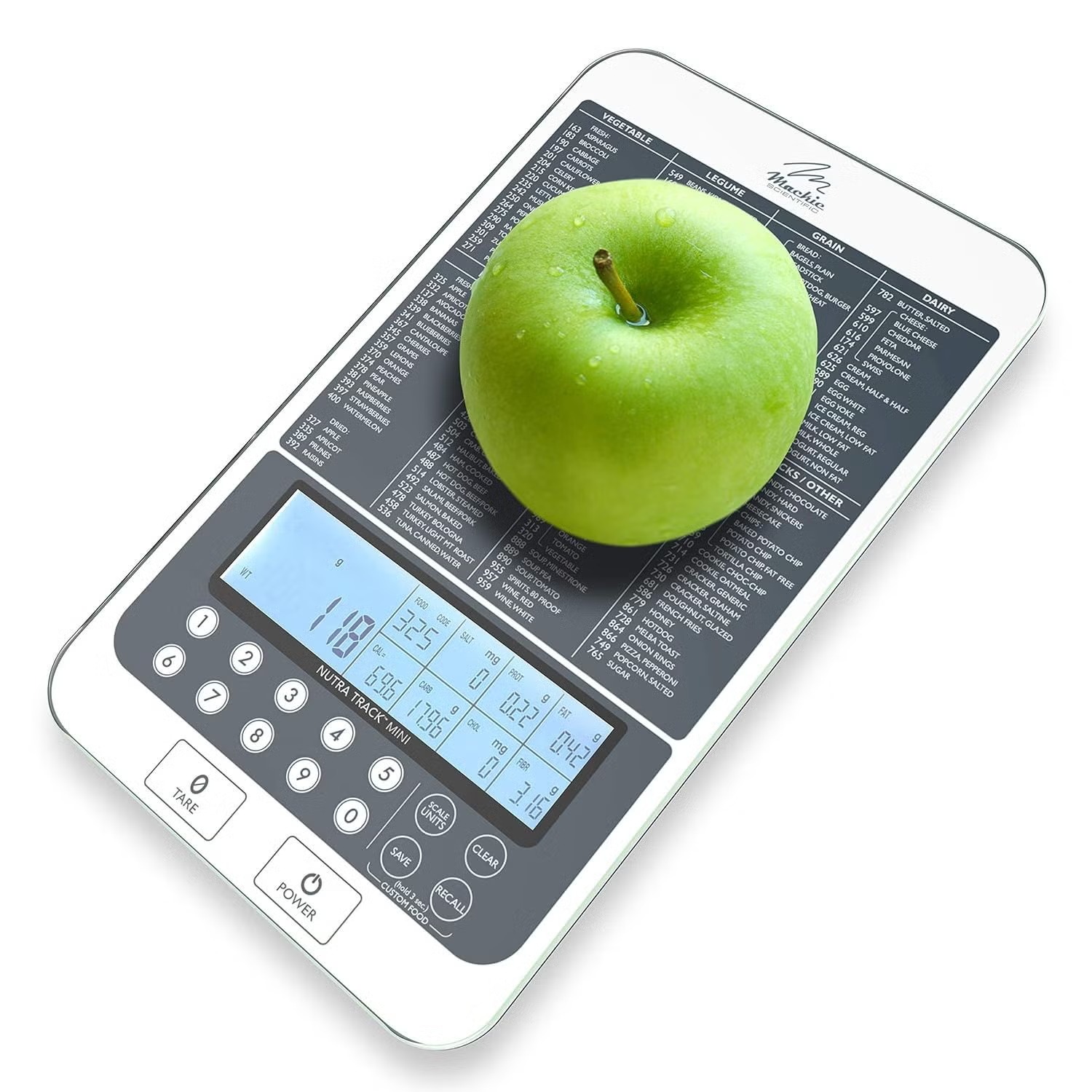
Key Features That Make a Difference:
- Tare Function: This feature allows you to zero out the weight of a container or previous ingredients, so you can measure multiple items into the same bowl without having to do mental math or dirty extra dishes. It’s incredibly efficient and reduces cleanup time.
- Unit Conversion: Most scales offer easy toggling between grams, ounces, pounds, and sometimes even milliliters (for liquids like water, where 1ml often equals 1g, simplifying liquid measurements by weight). This flexibility is vital for adapting to recipes from around the globe.
- Accuracy: A good digital scale can measure down to a single gram or 0.1 ounce, ensuring your measurements are incredibly precise. This level of accuracy is what sets successful recipes apart from those that fall flat.
- Capacity: Home kitchen scales typically handle up to 11 pounds (5 kg), which is ample for most cooking and baking tasks.
Why Scales Rule for Baking: The Science of Weight vs. Volume
“As an experienced home baker, I’ve seen countless recipes ruined by inaccurate volume measurements. A digital kitchen scale is non-negotiable for precision,” states Sarah Chen, a culinary instructor and cookbook author. Her point is spot on. When it comes to baking, where chemistry plays a crucial role, measuring dry ingredients like flour by volume (cups) is notoriously inconsistent. Flour, for example, can be packed differently, leading to varying amounts of actual flour in a “cup.” A cup of sifted flour weighs less than a cup of scooped and leveled flour, and significantly less than a cup of packed flour. This variability can drastically alter the texture and outcome of your baked goods. Measuring by weight, however, guarantees the exact same amount of flour every time, ensuring your cakes are fluffy, your breads are perfect, and your cookies are consistent.
Measuring Cups: The Unsung Heroes for Liquids and Beyond
While scales take the crown for precision in baking, measuring cups remain indispensable for many kitchen tasks. They measure by volume and come in two primary forms:
- Liquid Measuring Cups: These are typically clear, made of glass or plastic, and feature a spout for easy pouring. They have markings on the side for cups, fluid ounces, and milliliters, allowing you to read the liquid level accurately at eye level.
- Dry Measuring Cups: These usually come in sets (1/4 cup, 1/2 cup, 1 cup, etc.) and are designed to be filled to the brim and leveled off. They are ideal for measuring larger volumes of dry ingredients where weight precision isn’t paramount, or for sticky ingredients that are difficult to weigh.
When Measuring Cups Shine
Measuring cups are excellent for liquids, such as water, milk, or broth, where volume is often the most practical measurement. They are also perfectly suitable for many cooking tasks where a slight variation won’t dramatically impact the dish, such as adding vegetables or grains. For small volumes of dry ingredients that aren’t critical to the recipe’s structure, like spices, measuring spoons (often used in conjunction with cups) are also invaluable.
2-in-1 Digital Measuring Cups & Scales: The Best of Both Worlds?
For those looking to streamline their kitchen gadgets, the market offers innovative 2-in-1 solutions that combine a digital scale within a measuring cup. These integrated devices aim to provide the best of both worlds in a single, space-saving unit.
Exploring Integrated Devices
These gadgets often feature an LCD screen built into the handle, allowing you to see weight or volume measurements directly. Some advanced models can even automatically convert between ounces (weight) and cups (volume) for common ingredients like flour, sugar, milk, water, and oil, using pre-programmed densities. A unique bonus in some models is the ability to read the temperature of ingredients, perfect for recipes requiring liquids at specific temperatures.
Considerations When Buying a Combo Unit
While convenient, it’s important to assess the individual performance of both the measuring cup and scale components. Ensure the measuring cup has clear, durable markings and the scale provides reliable accuracy. These units are a great space-saving solution for smaller kitchens or for cooks who prefer fewer specialized tools.
Choosing Your Perfect Pair: What to Look For
Selecting the right digital kitchen scale and measuring cup for your needs involves considering several factors to ensure they meet your culinary demands.
For Digital Kitchen Scales:
- Capacity & Accuracy: For most home use, a scale with an 11-pound (5 kg) capacity and accuracy down to 1 gram (or 0.05 ounces) is sufficient.
- Display: Look for a large, backlit LCD display that is easy to read, even when a large bowl is on the platform. Some have pull-out displays to prevent obstruction.
- Platform Material: Stainless steel is durable and easy to clean, while glass offers a sleek look. Plastic can be lightweight and affordable.
- Tare Function & Unit Conversion: These are non-negotiable features for efficiency and versatility.
- Power Source: Most use AAA batteries, but some are rechargeable via USB. Automatic shut-off is a battery-saving plus.
- Ease of Cleaning: A smooth surface with sealed buttons is easier to wipe clean of spills and flour dust.
For Measuring Cups:
- Material: Glass is durable, microwave-safe, and won’t stain or retain odors. Plastic is lightweight and less prone to breaking. Stainless steel is durable but opaque.
- Clear Markings: Ensure measurement lines are clearly visible, durable (not just printed on), and cover various units (cups, fluid ounces, milliliters). Angled measurement designs can make liquid reading easier.
- Ergonomics: A comfortable handle and stable base are important, especially for liquid measuring cups.
- Set Completeness: For dry measuring cups, a set with common sizes (1/4, 1/3, 1/2, 1 cup) is most useful.
Seamless Integration: Using Your Tools for Culinary Success
Integrating your digital kitchen scale and measuring cup into your cooking workflow is simple once you get the hang of it, and it will significantly improve your results.
Step-by-Step for Scales:
- Power On and Select Unit: Turn on your scale and set it to the desired unit, typically grams for baking precision.
- Place Container and Tare: Place your empty mixing bowl or container on the scale. Press the “tare” (or “zero”) button. The display will reset to zero, effectively ignoring the container’s weight.
- Add First Ingredient: Slowly add your first ingredient until the display shows the exact weight required by your recipe.
- Tare and Repeat: Once the first ingredient is measured, press “tare” again. The display will go back to zero, and you can add your next ingredient directly into the same bowl. Repeat until all ingredients are measured. This method dramatically cuts down on dirty dishes!
When to Use Measuring Cups:
Use liquid measuring cups for wet ingredients where the recipe specifically calls for volume (e.g., 1 cup of water) or for larger quantities where visual confirmation is helpful. Dry measuring cups are great for quick, less critical measurements of dry goods, or for scooping sticky ingredients like peanut butter.
Beyond Basic Recipes: Advanced Uses
Beyond everyday cooking, your digital kitchen scale and measuring cup can become powerful tools for more advanced culinary endeavors.
- Portion Control and Dietary Needs: Accurately weighing ingredients helps immensely with portion control for health, fitness, or specific dietary requirements. Knowing the exact weight of a serving of pasta or protein is invaluable.
- Recipe Development and Scaling: For creating your own recipes or confidently scaling existing ones up or down, weighing ingredients provides the consistency needed to replicate results accurately.
Frequently Asked Questions
Why is weight more accurate than volume for baking?
Weight measurements account for the actual mass of an ingredient, which remains constant, regardless of how it’s scooped or packed. Volume measurements can vary significantly due to ingredient density and packing methods, leading to inconsistent results in sensitive recipes like baking.
Can a digital kitchen scale measure liquids?
Yes, most digital kitchen scales can measure liquids by weight. For water, 1 milliliter (ml) is approximately equal to 1 gram (g), making conversion straightforward. For other liquids, you can use density charts or simply tare your scale and measure by weight. However, liquid measuring cups still offer a quick visual volume check.
What is the tare function on a scale?
The tare function (sometimes labeled “zero”) allows you to reset the scale to zero after placing a container on it, or after adding an ingredient. This way, the scale only measures the weight of the new ingredient being added, enabling you to measure multiple ingredients into the same bowl without complex calculations.
How often should I calibrate my digital kitchen scale?
While many modern scales hold their calibration well, it’s a good practice to calibrate your digital kitchen scale every few months or if you notice inconsistent readings. Always refer to your scale’s user manual for specific calibration instructions, as the process can vary by model.
Are 2-in-1 digital measuring cup scales worth it?
For those with limited kitchen space or who value convenience and multi-functionality, 2-in-1 digital measuring cup scales can be very useful. They offer the precision of a scale with the practicality of a measuring cup in a single device, helping to declutter your drawers.
What capacity scale do I need for home cooking?
For most home cooking and baking needs, a digital kitchen scale with a capacity of 11 pounds (5 kilograms) is ample. This allows you to weigh everything from a small pinch of yeast to a large batch of flour or a whole chicken.
How do I clean my kitchen scale and measuring cups?
For digital scales, gently wipe the surface with a damp cloth and mild detergent, then dry thoroughly. Avoid immersing the scale in water. For measuring cups, most are dishwasher safe, but check the manufacturer’s instructions, especially for plastic cups to prevent warping or fading of markings.
Unlock Your Culinary Potential Today
Embracing the power of a digital kitchen scale and measuring cup set is more than just acquiring new tools; it’s about unlocking a new level of confidence and consistency in your kitchen. From perfectly risen bread to flawlessly portioned meals, these indispensable gadgets empower you to tackle any recipe with accuracy and ease. So, why not make the switch, experiment with precision, and share your delightful culinary creations with the world? Your taste buds (and your guests) will thank you.