In the dynamic world of cooking and baking, precision often spells the difference between a culinary masterpiece and a kitchen mishap. While measuring cups and spoons have their place, the unmatched accuracy of a digital kitchen scale elevates your culinary game. But what if your scale could withstand the inevitable splashes and spills of a bustling kitchen, offering not just precision but unparalleled durability and hygiene? Enter the Digital Waterproof Kitchen Scale, a true game-changer that promises to revolutionize how you approach every recipe.
This innovative tool isn’t just about getting exact measurements; it’s about peace of mind, consistent results, and a kitchen that runs smoother and cleaner. From delicate pastry work to precise portion control for health goals, a waterproof digital scale is quickly becoming an indispensable asset for home cooks and seasoned chefs alike.
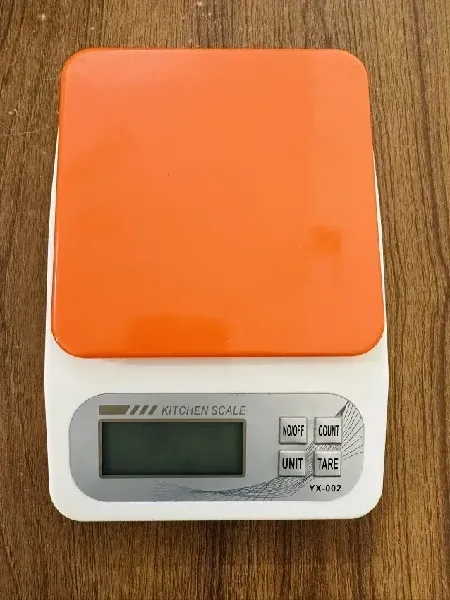
Beyond Basic: The Unbeatable Benefits of a Digital Waterproof Kitchen Scale
When you invest in a digital waterproof kitchen scale, you’re not just buying a gadget; you’re upgrading your entire culinary workflow. The benefits extend far beyond simple weight measurement.
Enhanced Durability and Longevity
Kitchens are chaotic environments, and accidents happen. A traditional digital scale might short-circuit with a single splash, but a waterproof model is built to resist moisture and dust, ensuring it stands up to the rigors of daily use. These scales often boast an IP (Ingress Protection) rating, like IP67 or IP68, indicating their robust resistance to water and even temporary immersion. This means you won’t be replacing your scale after every little spill, saving you money and hassle in the long run.
Superior Hygiene and Effortless Cleaning
One of the most compelling advantages of a digital waterproof kitchen scale is its ease of cleaning. Imagine being able to rinse your scale under the tap after weighing raw meat, sticky honey, or flour, without a second thought. This capability not only simplifies cleanup but also drastically reduces the risk of cross-contamination and bacteria buildup, making your kitchen a healthier place. “In a busy kitchen, spills are inevitable. A digital waterproof kitchen scale isn’t just a convenience; it’s a fundamental tool for maintaining impeccable hygiene and ensuring your equipment stands the test of time,” shares Chef Isabella Rossi, a Culinary Innovation Expert.
Precision in Any Condition
Moisture, humidity, and even slight splashes can impact the delicate sensors of standard scales, leading to inaccurate readings. Digital waterproof kitchen scales, however, are engineered to perform consistently, even in damp or humid conditions. This unwavering accuracy is critical for recipes where exact measurements are paramount, ensuring your sourdough rises perfectly or your coffee is brewed to perfection.
Versatility for Every Culinary Task
Whether you’re meticulously weighing a few grams of saffron or portioning out a large batch of stew, a digital waterproof kitchen scale handles it all. Their robust design makes them suitable for a wide array of ingredients, from powders and liquids to bulky produce and proteins. This versatility means one scale can serve multiple purposes, streamlining your ingredient prep.
Cost-Effectiveness and Reduced Maintenance
While a digital waterproof kitchen scale might have a slightly higher upfront cost, its enhanced durability significantly reduces the frequency of replacements and repairs. This long-term reliability translates into genuine cost savings, making it a wise investment for any serious cook. You’ll spend less time troubleshooting and more time enjoying your culinary creations.
Finding Your Perfect Match: What to Look for in a Digital Waterproof Kitchen Scale
Choosing the right digital waterproof kitchen scale involves considering several key features to ensure it meets your specific culinary demands.
Accuracy and Precision
The heart of any good scale is its accuracy. Look for models that offer measurements in small increments. For most general cooking and baking, a 1-gram (or 0.05-ounce) increment is sufficient. However, for ultra-precise tasks like measuring yeast, delicate spices, or dialing in your coffee brew, a scale with 0.1-gram readability will be your best friend. Always remember that higher precision often comes with a lower maximum capacity, so consider your primary use.
Capacity Considerations
Scale capacity varies greatly, typically ranging from a few hundred grams for “pocket scales” designed for spices or coffee, to 10-15 kilograms (22-33 pounds) for home baking or bulk food prep.
- For delicate tasks (spices, coffee): Opt for lower capacity (e.g., 500g-2kg) with high precision (0.1g).
- For everyday cooking and baking: A capacity of 5-10kg (11-22lb) with 1g readability is generally ideal.
- For large batches or canning: Consider scales with 15kg+ (33lb+) capacity.
The Indispensable Tare Function
The tare function is non-negotiable for any digital kitchen scale. It allows you to zero out the weight of a container (like a bowl or plate) or to measure multiple ingredients sequentially in the same bowl. Look for a scale with an easily accessible and responsive tare button, as you’ll be using it constantly.
Units of Measurement
A versatile scale will offer various units, including grams (g), ounces (oz), pounds (lb), and milliliters (ml) or fluid ounces (fl oz) for liquids. The ability to switch between metric and imperial units is incredibly convenient, especially when following recipes from different regions. Keep in mind that for liquids, 1 ml of water is approximately 1 gram, but this can vary for other liquids with different densities.
Display and Readability
A clear, easy-to-read display is essential. Look for large, backlit LCD screens that are visible from various angles and in different lighting conditions. Some advanced designs feature a pull-out display that prevents larger bowls or plates from obscuring the readings, a thoughtful touch for practical kitchen use.
Material Matters
The platform material contributes to both durability and ease of cleaning. Stainless steel is a popular choice for its resilience, resistance to corrosion, and simple wipe-down maintenance. Tempered glass platforms offer a sleek, modern aesthetic and are also easy to clean, though they might be more prone to showing fingerprints. Durable plastic enclosures are also common, especially for scales with higher waterproof ratings.
Power Source
Most digital kitchen scales run on disposable batteries (AAA, AA, or CR2032). Some modern units offer rechargeable options via USB-C or micro-USB, which can be more eco-friendly and convenient. Check for an auto-off feature to conserve battery life, and ideally, one that allows you to adjust the shut-off time so it doesn’t power down mid-recipe.
IP Rating Explained
The IP (Ingress Protection) rating is crucial for understanding a scale’s waterproof capabilities. It’s usually presented as “IPXX,” where the first X indicates dust resistance (0-6) and the second X indicates water resistance (0-8).
- IPX4 (Splash-proof): Protects against splashes from any direction. Good for light kitchen use.
- IPX7 (Waterproof): Can withstand temporary immersion in water up to 1 meter for 30 minutes. This is an excellent rating for most kitchen needs, allowing for thorough washing.
- IPX8 (Fully Waterproof/Submersible): Protects against continuous immersion in water under conditions specified by the manufacturer (usually deeper or longer than IPX7). These are often found in commercial or industrial settings but offer ultimate peace of mind for home use.
For a true digital waterproof kitchen scale, aim for at least an IPX7 rating to ensure it can be safely washed.
Mastering Your Scale: Tips for Use and Maintenance
Even the best digital waterproof kitchen scale requires a little care and understanding to deliver consistent performance.
Calibration: Keeping Your Scale Honest
Regular calibration ensures your scale maintains its accuracy over time.
- Level Surface: Always place your scale on a flat, stable, and vibration-free surface.
- Zero/Tare: Turn it on and press the tare button to ensure it reads zero before adding any weight.
- Known Weights: Use calibrated weights if you have them. Alternatively, household items with known weights, like a fresh, unopened bag of sugar (e.g., 500g or 1lb), can serve as a quick check. A US nickel weighs approximately 5 grams.
- Manufacturer’s Manual: If your scale has a calibration mode, always follow the specific instructions in your user manual.
“Consistent results in baking and cooking hinge on accurate measurements. Regularly checking your digital scale’s calibration, even with simple household items, ensures your recipes turn out perfectly, every single time,” notes Dr. David Chen, a leading Food Science Researcher.
Everyday Usage Hacks
- Bowl Placement: Center your bowl on the platform for the most accurate readings.
- Steady Hand: Pour or add ingredients slowly and steadily, especially when measuring small amounts, to allow the scale’s sensors to register changes accurately.
- Environmental Factors: Avoid using your scale near strong drafts from open windows or fans, as even air movement can affect readings.
Care and Longevity
- Cleaning: For waterproof models, a gentle wash with soap and water is ideal. For splash-resistant scales, a damp cloth with mild detergent is usually sufficient. Always ensure the scale is dry before storage.
- Storage: Store your scale flat in a clean, dry place. Avoid placing heavy objects on it, which can stress the sensors and affect calibration.
- Battery Maintenance: Remove batteries if you plan to store the scale for an extended period to prevent leakage. Replace batteries when readings become inconsistent or the display dims.
- Avoid Overload: Never exceed your scale’s maximum capacity, as this can permanently damage its internal components.
Digital Waterproof Kitchen Scales vs. Other Types
Understanding where a digital waterproof kitchen scale fits in the broader landscape of weighing tools helps highlight its value.
Digital vs. Analog
- Analog (Mechanical) Scales: These use springs and a dial, requiring no batteries. While durable and aesthetically classic, they offer significantly less precision (often only to 5-10g increments) and lack features like tare or unit conversion. They’re fine for rough measurements but fall short for serious cooking.
- Digital Scales: Provide precise readings, multiple unit options, tare functions, and often sleek designs. The waterproof variant adds a layer of durability and hygiene that makes it superior for kitchen environments.
Waterproof vs. Non-Waterproof
The key differentiator is protection from moisture. Non-waterproof digital scales are cheaper but far more vulnerable to spills, humidity, and the necessary cleaning that comes with food preparation. A single accident can render them useless. A digital waterproof kitchen scale eliminates this vulnerability, ensuring long-term functionality and hygienic operation.
FAQs
Q1: Do I really need a waterproof scale?
If you regularly cook or bake, especially with liquids, raw ingredients, or sticky substances, a waterproof scale is a worthwhile investment. It simplifies cleanup, enhances hygiene, and significantly prolongs the life of your appliance by protecting it from accidental spills and moisture damage.
Q2: What is the best IP rating for a kitchen scale?
For most home kitchens, an IPX7 rating is excellent, allowing you to wash the scale under running water or even briefly submerge it. IP67 also adds dust protection. If you need ultimate protection or work in very harsh conditions, an IPX8 rating offers the highest level of waterproofing.
Q3: How often should I calibrate my digital kitchen scale?
It’s a good practice to calibrate your scale when you first get it, after it’s been transported, or if you notice any inconsistencies in its readings. For frequent users, checking calibration monthly or every few months helps ensure continued accuracy.
Q4: Can I submerge a waterproof kitchen scale?
Yes, if your digital waterproof kitchen scale has an IPX7 or IPX8 rating, it is designed to withstand temporary or continuous immersion, respectively. Always check the specific IP rating and manufacturer’s guidelines, but typically, you can safely rinse or submerge these scales for cleaning.
Q5: What’s the ideal capacity for a home kitchen scale?
For most home cooks, a digital waterproof kitchen scale with a capacity of 5 to 10 kilograms (11 to 22 pounds) is ideal. This range accommodates everything from small batches of ingredients for baking to larger portions for meal prep without taking up excessive counter space.
Conclusion
Choosing the perfect digital waterproof kitchen scale begins with understanding your culinary needs. Once you pinpoint your primary use—be it precision baking, meticulous coffee brewing, health-focused meal prep, or bulk cooking—you can select the ideal capacity and resolution that aligns with your kitchen endeavors. From there, prioritize practical features: a reliable tare function, a stable and readable display, durable platform materials, and a sensible power source.
For most home chefs and aspiring bakers, a stainless-steel or tempered glass platform scale with 1-gram readability and a 5-10kg capacity represents the sweet spot. Coffee aficionados will undoubtedly appreciate the crispness and responsiveness of a 0.1-gram precision scale. With the added security of waterproofing, you gain not only enhanced accuracy and hygiene but also robust durability that stands up to the splashes and demands of a real kitchen.
Embrace the precision and convenience a digital waterproof kitchen scale brings. It’s more than just a tool; it’s an investment in better cooking, more consistent results, and a more enjoyable culinary journey. Explore, experiment, and share your perfectly weighed creations with confidence – “Review Wa” is here to guide your way.