Ever felt like your cooking and baking lacked that consistent “oomph” – that perfect texture, that balanced flavor, that dish you can replicate flawlessly every single time? The secret ingredient might not be a rare spice or a forgotten technique, but a simple yet powerful tool: the Digital Multifunction Kitchen And Food Scale. This unsung hero of the modern kitchen is transforming how we approach recipes, portion control, and even healthy eating, making precision accessible to every home cook and aspiring chef.
Gone are the days of imprecise cup measurements and guesswork. A high-quality digital multifunction kitchen and food scale brings unparalleled accuracy to your culinary endeavors, ensuring your ingredients are measured by weight, which is the most reliable method for consistent results. Whether you’re a passionate baker striving for light-as-air pastries, a health enthusiast meticulously tracking macros, or simply someone who loves to cook with confidence, investing in one of these smart devices is a game-changer. It’s more than just a gadget; it’s a foundational piece of equipment that empowers you to master your kitchen.
Why a Digital Multifunction Kitchen and Food Scale is Your Culinary Best Friend
Embracing a digital multifunction kitchen and food scale opens up a world of culinary benefits that go far beyond just basic weighing. It’s about transforming your cooking experience from good to absolutely exceptional.
Precision in Recipes: The Cornerstone of Success
When it comes to baking, exact measurements are not just recommended, they are absolutely crucial. Flour can be packed differently into a measuring cup, leading to significant variations in weight and, consequently, in your final product. With a digital kitchen scale, you eliminate this variability. Every gram of flour, sugar, or butter is accounted for, ensuring your cookies, cakes, and breads achieve the perfect texture and rise every time. For savory dishes, precision can mean the difference between a perfectly balanced sauce and one that falls flat.
Effortless Portion Control for Health and Wellness
In today’s health-conscious world, understanding exactly what you consume is vital. A digital food scale makes portioning ingredients for meals incredibly easy and accurate. Whether you’re counting calories, tracking macronutrients for a fitness goal, or simply trying to manage your food intake, weighing your portions provides concrete data that measuring cups can’t. It’s an indispensable tool for meal prep, allowing you to consistently manage your dietary goals without the stress of estimation.
Simplified Cleanup and Streamlined Workflow
Imagine baking a complex recipe with multiple dry and wet ingredients, all measured into the same bowl without needing a mountain of measuring cups and spoons. That’s the magic of the tare function on a digital multifunction kitchen and food scale. You place your bowl, zero it out, add the first ingredient, zero it again, add the next, and so on. This method drastically reduces the number of dishes you use, making cleanup faster and your cooking process more efficient. It transforms a potentially messy task into a smooth, enjoyable one.
Key Features to Look for in Your Next Digital Multifunction Kitchen and Food Scale
Choosing the right digital multifunction kitchen and food scale means understanding the features that truly matter. Here’s what to prioritize to ensure you get a tool that meets all your culinary demands.
Accuracy and Precision: Grams, Ounces, Milliliters – The Gold Standard
The core function of any digital food scale is accuracy. Look for models that can measure in fine increments, typically 1 gram or 0.05 ounces. The ability to switch between grams, ounces, and pounds:ounces is standard, but a truly multifunction scale will also offer milliliters (ml) and fluid ounces (fl.oz) measurements for liquids. However, be cautious: some scales treat ml and fl.oz as simple conversions of water density, which can be inaccurate for denser liquids like honey or oil. An ideal scale provides actual liquid volume measurements or, more practically, recognizes that for most cooking, weighing liquids by mass (grams or ounces) is more precise than volumetric approximations.
Capacity and Platform Size: Small Jobs, Big Batches
Most home digital kitchen scales have a maximum capacity of around 11 pounds (5 kilograms). This is sufficient for the vast majority of home cooking and baking tasks, from weighing a small pinch of saffron to a large batch of dough. Consider the size of the weighing platform as well. A larger platform can accommodate bigger bowls or plates without obscuring the display, while a compact design might be ideal for smaller kitchens. Some advanced scales even offer dual platforms, with one for larger weights and a smaller, ultra-precise platform for minuscule ingredients like yeast or spices.
Tare Function: The Secret to Seamless Measuring
The tare function is non-negotiable. This feature allows you to zero out the weight of a container (like a bowl or plate) before adding your ingredients, so the display only shows the weight of what you’re actually measuring. Even better, it allows you to add multiple ingredients to the same bowl, taring the scale between each addition, simplifying your workflow and reducing cleanup. A responsive tare button that provides quick, accurate resets is a sign of a quality scale.
Unit Conversion: From Imperial to Metric and Back Again
A truly versatile digital multifunction kitchen and food scale offers easy switching between various units of measurement, including grams, ounces, pounds:ounces, and sometimes kilograms. This flexibility is invaluable, especially when following recipes from different culinary traditions that might specify ingredients in metric or imperial units. This capability ensures you’re never stuck trying to convert measurements manually.
Display Readability: Bright, Backlit, and User-Friendly
Imagine trying to read tiny, unlit numbers hidden beneath a large mixing bowl – frustrating, right? A clear, brightly backlit LCD display is a must-have. Some premium models feature pull-out displays or angled screens that can be positioned for optimal visibility, even when working with oversized containers. This small design detail can significantly enhance your user experience, preventing strain and errors.
Durability and Easy Cleaning: Materials that Matter
Your kitchen scale will encounter spills and splashes, so durability and ease of cleaning are crucial. Look for models made from stainless steel, tempered glass, or high-quality, sealed plastic. Surfaces that wipe clean easily and sealed buttons prevent food particles or liquids from getting trapped in crevices, which can compromise accuracy and hygiene over time. Removable weighing platforms are a bonus for thorough cleaning.
Auto Shut-Off: A Small Detail, A Big Convenience
To conserve battery life, most digital scales have an automatic shut-off feature. However, an auto-off that kicks in too quickly can be a nuisance, especially when you need a moment to grab another ingredient. Look for scales with a longer auto-off window (ideally 3-5 minutes or more) or, even better, an adjustable or disable-able auto-off function. Some smart scales even retain your last measurement in standby mode, so you don’t lose your progress if you step away.
Advanced Features: Beyond the Basics
While core functionality is key, some digital multifunction kitchen and food scales offer advanced features. These can include:
- Baker’s Percentage Mode: Essential for serious bakers, automatically calculating ingredient ratios based on flour weight.
- App Connectivity: Bluetooth-enabled scales can sync with your smartphone, offering nutritional tracking, recipe management, and even remote viewing of measurements.
- Hold Function: Freezes the displayed weight after an item is removed, useful for large or awkward items.
Choosing the Perfect Digital Multifunction Kitchen and Food Scale for Your Needs
With so many options, how do you pick the right one? It comes down to understanding your priorities and how you’ll primarily use the scale.
Consider Your Cooking Style
Are you an avid baker who needs pinpoint accuracy for delicate pastries? Or do you mostly cook savory meals and need a reliable scale for portioning proteins and vegetables? Perhaps you’re into coffee brewing and require micro-precision for your beans and water. Your primary use case will guide your choice. Bakers might lean towards scales with baker’s percentage modes, while dieters might prefer app-enabled nutrition scales.
Budget Considerations
Digital kitchen scales are available across a wide price range. You can find highly accurate, reliable models for a modest budget, while premium scales with advanced features and sophisticated designs will naturally cost more. Determine what features are essential for you and set a realistic budget. Remember, even an affordable digital multifunction kitchen and food scale is a significant upgrade from volume measuring.
Brand Reputation and Reviews
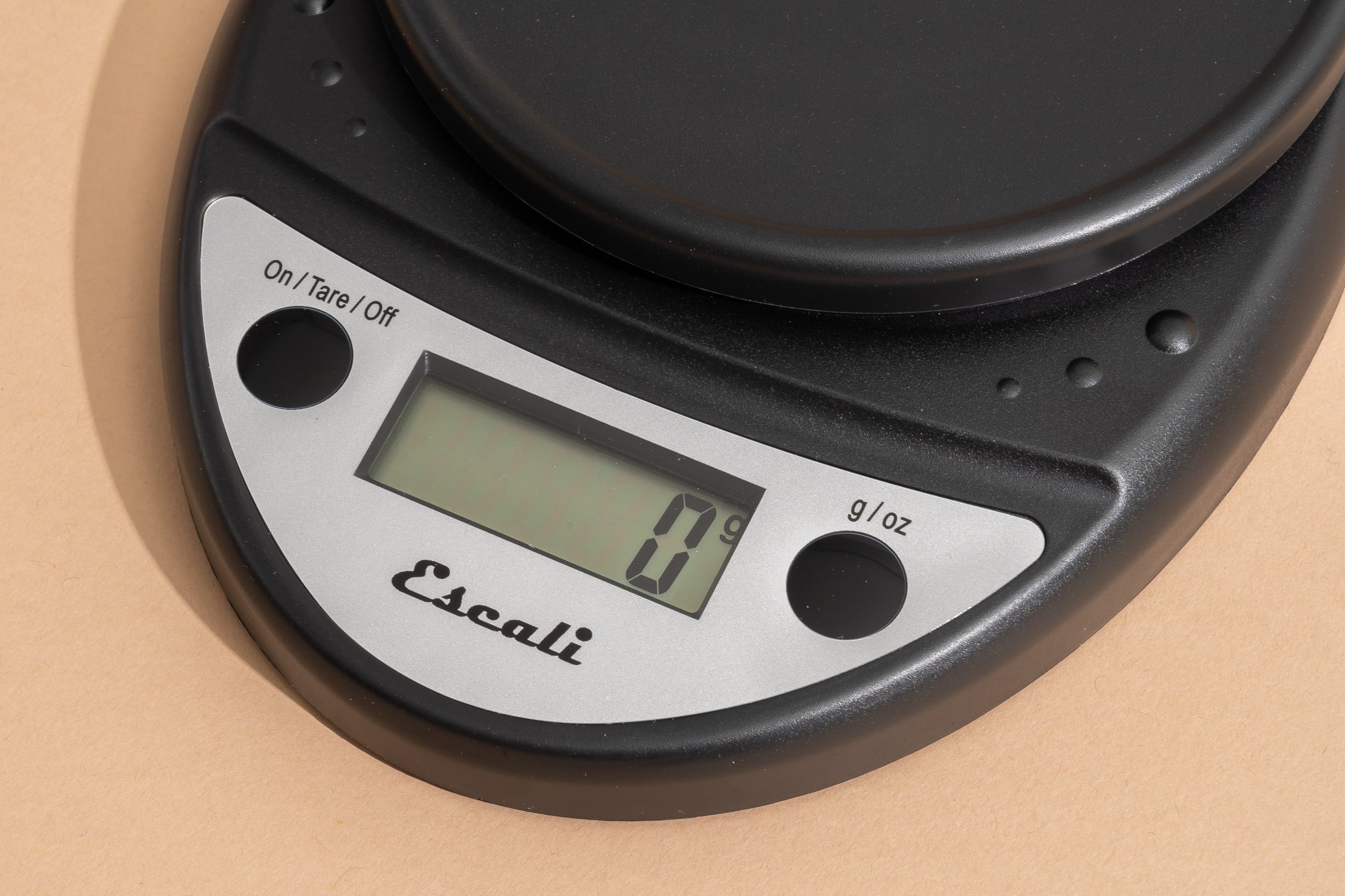
Always check reviews from reputable sources and other users. Brands like Escali, OXO, Greater Goods, and Etekcity frequently appear on “best-of” lists, known for their accuracy and user-friendly designs. Look for consistency in feedback regarding accuracy, durability, and customer service.
Tips for Using and Maintaining Your Digital Multifunction Kitchen and Food Scale
To get the most out of your digital multifunction kitchen and food scale and ensure its longevity, follow these practical tips.
Placement Matters
Always place your scale on a flat, stable, and level surface. Uneven surfaces can lead to inaccurate readings. Avoid placing it near heat sources like stovetops or in direct sunlight, as extreme temperatures can affect its sensors. Electromagnetic interference from other electronic devices can also sometimes impact readings, so keep it away from microwaves or large appliances if you notice inconsistencies.
Mastering the Tare Button
The tare function is your best friend. Use it every time you place a container on the scale before adding ingredients. Don’t be shy about taring multiple times if you’re adding several ingredients to the same bowl. This simple habit will save you time and dishes.
Calibration Checks
While many scales come pre-calibrated, it’s good practice to check its accuracy periodically. A common method is to use a known weight, like a few U.S. nickels (each weighs exactly 5 grams). If your scale consistently reads 5 grams for each nickel, it’s accurate. If not, consult your user manual for calibration instructions or consider replacing the batteries, as low power is a common cause of inaccuracies. Overloading the scale beyond its maximum capacity can also throw off its calibration.
Cleaning for Longevity
Digital kitchen scales are typically not waterproof. Never immerse your scale in water. Instead, wipe it down with a slightly damp cloth and mild soap. For dry messes like flour, wipe with a dry cloth first to avoid creating a sticky paste. If your scale has a removable platform, clean that separately with soap and water, ensuring it’s completely dry before reattaching. Keeping the buttons and crevices free of debris is key to maintaining functionality.
Benefits of Upgrading to a Digital Multifunction Kitchen and Food Scale
If you’re still relying on volume measurements, upgrading to a digital multifunction kitchen and food scale will open up a new realm of cooking and baking prowess.
Elevated Culinary Results
“As Dr. Eleanor Vance, a renowned food scientist and culinary technology expert, often emphasizes, ‘Precision is the bedrock of perfection in the kitchen. A digital scale doesn’t just measure; it empowers you to replicate excellence, turning every recipe into a masterpiece of consistent quality.'” With accurate measurements, your recipes will consistently turn out as intended, giving you perfectly textured baked goods, balanced sauces, and delectable dishes every time. Say goodbye to dense cakes and watery soups due to imprecise ingredient ratios.
Health and Wellness Management
For those focused on health and fitness, a digital food scale is an indispensable tool. It takes the guesswork out of portion control, allowing you to accurately track macros, calorie intake, and specific dietary needs. This level of detail can significantly contribute to achieving your health goals, whether it’s weight management, muscle gain, or adhering to a specific diet plan.
Time-Saving Efficiency
While it might seem like an extra step, weighing ingredients can actually be faster than measuring by volume. The tare function allows you to add multiple ingredients to a single bowl, dramatically reducing the number of measuring cups and spoons you’d otherwise use. Less equipment means less cleanup, freeing up your time for enjoying your delicious creations or tackling other tasks.
Digital vs. Analog: Why Digital Reigns Supreme
While analog scales offer a charming vintage aesthetic and require no batteries, digital multifunction kitchen and food scales are unequivocally superior for modern kitchens. Digital scales offer far greater precision, often measuring down to a single gram or a hundredth of an ounce. Their clear, easy-to-read displays eliminate the parallax errors often associated with reading an analog dial. Moreover, digital scales provide versatile unit conversions at the touch of a button and essential features like the tare function, which are rarely found on analog models. For accuracy, versatility, and ease of use, digital is the clear winner.
Frequently Asked Questions (FAQ)
What is the most accurate digital kitchen scale?
The most accurate digital kitchen scales typically offer measurements in 1-gram or 0.05-ounce increments. Brands like Escali Primo and OXO Good Grips are consistently praised for their precision and reliability in numerous independent tests. Some specialized scales can even measure to a hundredth of a gram for extreme accuracy.
How do I use the tare function on my digital food scale?
To use the tare function, first place your empty container (bowl, plate, etc.) on the scale. Once the weight is displayed, press the “tare” or “zero” button. The display will reset to zero, allowing you to add ingredients and measure only their weight, not the container’s. You can repeat this process for multiple ingredients in the same bowl.
Can I weigh liquids with a multifunction kitchen scale?
Yes, most digital multifunction kitchen and food scales can weigh liquids. They typically offer units for fluid ounces (fl.oz) and milliliters (ml). While these are useful for water-based liquids, remember that denser liquids like honey or oil have different weights per volume. For critical recipes, weighing liquids in grams or ounces by mass is often more accurate.
How often should I calibrate my digital kitchen scale?
It’s a good idea to check your scale’s calibration periodically, perhaps every few months or if you suspect inaccuracies. You can do this using known weights, such as a U.S. nickel (which weighs exactly 5 grams). Place a few nickels on the tared scale; if the reading is consistently accurate, your scale is calibrated. Refer to your user manual for specific calibration instructions if adjustments are needed.
What’s the maximum weight capacity I need for a kitchen scale?
For most home cooks and bakers, a digital kitchen scale with a maximum capacity of 11 pounds (5 kilograms) is sufficient. This capacity can handle large batches of dough, substantial cuts of meat, or multiple ingredients in a large mixing bowl. If you regularly weigh extremely large items (over 10-15 lbs), you might consider a specialized high-capacity or hanging scale.
Are app-enabled kitchen scales worth it?
App-enabled kitchen scales can be very beneficial for those focused on detailed nutritional tracking, meal planning, or integrating their cooking data with health apps. They offer advanced features like macro breakdowns, recipe scaling, and remote monitoring. While they come at a higher price point, their convenience and data management capabilities can be well worth the investment for tech-savvy users.
How do I clean my digital kitchen scale properly?
To clean your digital kitchen scale, wipe it down with a soft, damp cloth and a mild detergent. Avoid immersing the scale in water or using abrasive cleaners, as this can damage the electronic components. For dry spills like flour, wipe with a dry cloth first to prevent a paste from forming. If your scale has a removable weighing platform, you can wash that separately, ensuring it’s completely dry before reassembly.
The Weigh-In: Your Culinary Journey Awaits
The digital multifunction kitchen and food scale is far more than a simple measuring device; it’s a cornerstone for culinary precision, a tool for healthier living, and a secret weapon for consistent, delicious results. From perfecting your sourdough starter to meticulously portioning ingredients for a new diet, its versatility makes it an indispensable asset in any kitchen. By understanding its features and adopting best practices for its use, you unlock a new level of confidence and creativity in your cooking. So, take the plunge, upgrade your kitchen, and embark on a culinary journey where every measurement is perfect, and every dish is a triumph. Your taste buds—and your waistline—will thank you.