Ever found yourself in the middle of a baking frenzy, wondering if that “cup” of flour is truly the right amount, or meticulously following a recipe that calls for precise grams? That’s where a digital kitchen scale becomes your culinary best friend. It takes the guesswork out of cooking and baking, ensuring consistent, perfect results every time. But with so many options out there, understanding the Digital Kitchen Scale Price landscape can feel a bit like navigating a maze. From super affordable to surprisingly high-tech, what should you really expect to pay, and what features truly justify that cost?
We’re here to help you demystify the price tags and find a digital kitchen scale that fits your needs and your wallet, without compromising on accuracy or reliability. Let’s dive in!
The Core of the Matter: Understanding Digital Kitchen Scale Price Ranges
Just like cars or coffee makers, digital kitchen scales come with a wide range of price points. Knowing what’s available at each tier can help you set realistic expectations and spot true value.
Budget-Friendly Picks: Practicality Without Breaking the Bank (Typically Under $20)
Believe it or not, you don’t need to spend a fortune to get a reliable digital kitchen scale. Many excellent options fall into this category, perfect for everyday cooks and casual bakers. These scales usually offer the essential features you need: accurate weight measurements, a tare function (to zero out the weight of your bowl), and unit conversion (grams, ounces, pounds).
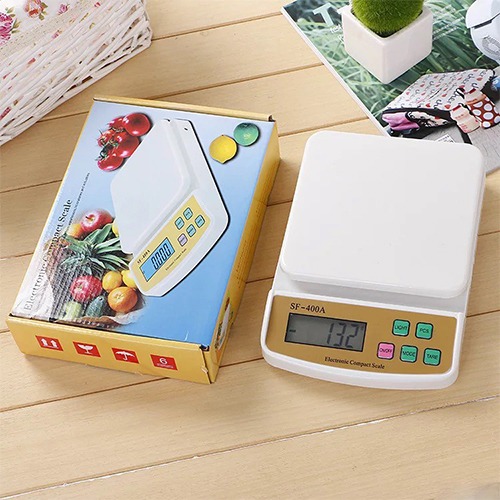
For example, models like the Etekcity Digital Kitchen Scale or the Amazon Basics Digital Kitchen Scale frequently retail for around $10 to $14. Our tests have even shown that some of these less expensive models can be just as accurate as their pricier counterparts for basic kitchen tasks. They might not come with all the fancy bells and whistles, but they deliver on the core promise of precise measurement, making them fantastic choices for starting your weighing journey.
Mid-Range Marvels: Stepping Up Features and Durability ($20 – $50)
As you move into the mid-range, you’ll start to see enhanced features, often coupled with improved build quality and design. These scales offer a great balance of functionality, durability, and a reasonable digital kitchen scale price.
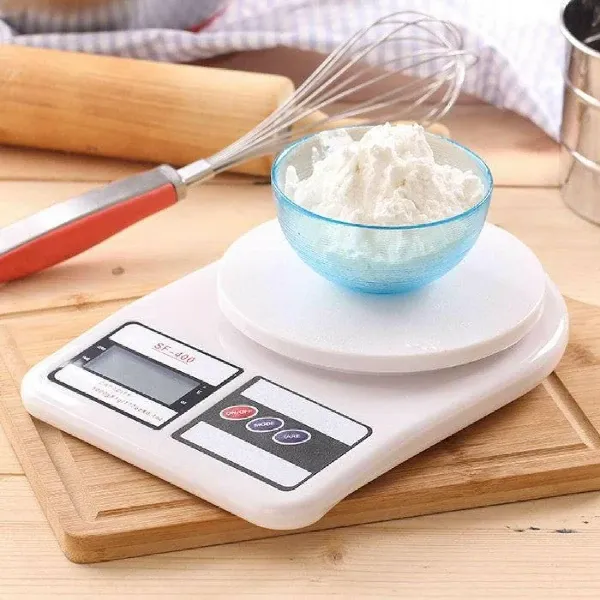
You might find scales with more robust materials like tempered glass or stainless steel platforms, brighter or larger LCD displays, and potentially more precise increments (e.g., 0.05-ounce readings). The Escali Primo Digital Food Scale, for instance, is a popular choice in this segment, known for its user-friendliness and reliable accuracy at around $30. Some scales in this range may also offer specific features like a slightly higher weight capacity or a more sleek, compact design that’s easier to store. If you’re a regular baker or someone who appreciates a bit more polish in their kitchen gadgets, this price range often hits the sweet spot.
Premium Powerhouses: Advanced Technology and Specialized Precision ($50+)
For those who demand the absolute highest precision, specialized functions, or seamless smart home integration, the premium tier of digital kitchen scales is where you’ll find what you’re looking for. The digital kitchen scale price here reflects advanced technology, superior materials, and often, unique capabilities.
What kind of features are we talking about? Think dual-platform scales like the Ooni Dual Platform Digital Scale ($60), which offers both a standard weighing surface and a highly sensitive mini-platform for tiny measurements like yeast or spices. You’ll also encounter scales with sophisticated pull-out displays (like some OXO Good Grips models around $65) that prevent large bowls from obscuring the screen, or even smart scales that connect via Bluetooth to your smartphone. These app-enabled scales, such as the Etekcity Smart Nutrition Food Scale ($40), can track nutritional information, sync with health apps, and offer an interactive cooking experience. For professional chefs, avid bakers, or health enthusiasts focused on macros, these advanced features can be invaluable and justify the higher digital kitchen scale price.
What Drives the Cost? Key Factors Affecting Digital Kitchen Scale Price
When you see a wide variance in digital kitchen scale prices, it’s not arbitrary. Several key factors contribute to how much a scale costs.
Accuracy and Precision: The Core of the Measurement
- What’s the difference? Accuracy means the scale gives a correct weight, while precision refers to how finely it can measure (e.g., to 1 gram vs. 0.01 gram).
- How does it affect price? Scales with higher precision, often down to a tenth or even hundredth of a gram (common in pocket or coffee scales), typically cost more. These are crucial for delicate tasks like measuring specialty coffee beans, spices, or ingredients for molecular gastronomy. Basic kitchen scales, usually accurate to 1 gram or 0.05 ounces, are more affordable and sufficient for most home cooking.
Features and Technology: Beyond Basic Weighing
- Tare Function and Unit Conversion: These are almost universally expected features on any digital scale, allowing you to zero out container weight and switch between metric and imperial units (grams, ounces, pounds, milliliters). Their presence doesn’t significantly drive up the digital kitchen scale price, as they are standard.
- Display Quality: A large, brightly backlit LCD display, especially one that pulls out or is angled for better visibility when a large bowl is on the platform, adds to user convenience and cost.
- Smart Features & Connectivity: Scales with Bluetooth connectivity that link to smartphone apps for nutritional tracking, recipe syncing, or integrated timers (like coffee scales with built-in timers) feature advanced internal components and software, increasing their digital kitchen scale price.
- Specialized Functions: Dual-platform scales offer two weighing surfaces with different capacities and precision, making them versatile but more expensive.
Material and Build Quality: Durability Meets Design
The materials used directly impact a scale’s durability, ease of cleaning, and aesthetic appeal, all of which influence the digital kitchen scale price.
- Plastic vs. Metal/Glass: Basic plastic scales are the most affordable. Moving to stainless steel or tempered glass platforms typically increases the cost but offers greater durability, easier cleaning (especially flat-topped glass models), and a more premium look.
- Sealed Buttons: Scales with sealed buttons prevent spills from seeping into the electronics, a small but valuable feature that can add to the cost.
Weight Capacity: How Much Can It Handle?
Most standard digital kitchen scales handle up to 11-15 pounds (about 5-7 kg), which is ample for most recipes.
- Higher Capacity: If you frequently weigh very large quantities for big batch baking, meal prepping, or even large cuts of meat, scales with capacities up to 22 or even 33 pounds will command a higher digital kitchen scale price. Specialized hanging scales can handle over 100 pounds for items that can’t sit on a platform.
Brand Reputation: Trust and Assurance
Established brands often invest more in research and development, quality control, and customer service. While a no-name brand might offer a lower digital kitchen scale price, reputable brands often provide better reliability, longer warranties, and more accessible support, which can be worth the extra cost.
Design and Aesthetics: The Look and Feel
While not the primary driver, sleek designs, compact footprints, and attractive finishes (like various colors or bamboo accents) can slightly influence the digital kitchen scale price. For many, a scale that looks good on the counter and is easy to store is a bonus.
Finding Your Perfect Match: How to Choose Without Overspending
With all these factors in mind, how do you pick the right digital kitchen scale without feeling overwhelmed by the price tags?
- Assess Your Needs:
- Casual Cook/Baker: If you just need to occasionally weigh ingredients for everyday meals, a budget-friendly model with basic accuracy (1g increments) will be perfectly adequate.
- Serious Baker/Health Enthusiast: For baking where precision is paramount (sourdough, delicate pastries) or if you’re tracking macros, a mid-range to premium scale with higher precision (0.1g or 0.01g for small amounts) and potentially smart features is a wise investment.
- Specialty Use: If you’re a coffee aficionado needing a timer and precise measurements, or frequently weighing very large items, look for specialized models like coffee scales or high-capacity units.
- Prioritize Features: Make a list of “must-have” features (tare, units) and “nice-to-have” features (backlit display, app connectivity). Decide which features truly add value to your cooking experience and which you can live without to manage the digital kitchen scale price.
- Read Reviews, but Question the Price: Remember, price and quality aren’t always perfectly correlated. Don’t assume the most expensive option is automatically the best, or that a cheap one is inaccurate. Look for reviews that specifically mention accuracy, ease of use, durability, and how it performs in real-world scenarios.
- Consider Warranty and Support: A good warranty can save you money in the long run if your scale malfunctions. Check the brand’s reputation for customer service.
Maximizing Value: Tips for Using and Maintaining Your Digital Kitchen Scale
Once you’ve invested in a digital kitchen scale, a little care goes a long way in ensuring its longevity and consistent accuracy, helping you get the most out of your digital kitchen scale price.
- Calibration is Key: Even the best scales can drift over time. Many digital scales offer a calibration option; check your manual for instructions. “I weigh a known object, like a pound of butter or even a U.S. nickel (which is exactly five grams), to check if my scale is accurate,” advises Chef Lena Chen, a culinary technology expert. Always calibrate on a flat, level surface.
- Clean with Care: Most digital scales cannot be submerged in water. Use a damp cloth to wipe them clean. For glass-topped models or those with sealed buttons, cleaning is often easier. A smart trick is to place a piece of parchment paper or plastic wrap on the platform before weighing messy ingredients to protect the surface and simplify cleanup.
- Proper Storage: Never store anything on top of your digital kitchen scale, as constant pressure can damage its internal sensors and throw off its calibration. Storing it on its side is often recommended.
- Battery Management: Inconsistent readings can often be a sign of low battery. Replace batteries promptly to maintain accuracy and avoid unexpected shutdowns during a recipe.
Digital vs. Analog: Is the Price Difference Worth It?
While this article focuses on digital kitchen scale prices, it’s worth a quick look at the traditional alternative: analog (mechanical) scales. Analog scales are typically less expensive, don’t require batteries, and can offer a charming vintage aesthetic. However, digital scales generally offer superior accuracy, finer precision (especially for small weights), and the convenience of tare functions and unit conversions. For most modern cooking and baking needs, the slight increase in digital kitchen scale price is usually well worth the enhanced functionality and reliability.
Expert Insights on Digital Kitchen Scale Price
“When evaluating the digital kitchen scale price, it’s crucial to look beyond the number and consider the value it brings to your cooking,” says Chef Lena Chen, a renowned culinary innovator. “A $15 scale that consistently delivers accurate measurements for your daily baking is far more valuable than a $100 smart scale whose advanced features you never use. It’s about finding the sweet spot where functionality meets your personal culinary workflow and budget.”
FAQs About Digital Kitchen Scale Price
Q: Are cheap digital kitchen scales accurate enough for baking?
A: For most home baking, yes! Many budget-friendly digital kitchen scales (under $20) offer sufficient accuracy (typically to 1 gram or 0.05 ounces) for consistent results in recipes. However, for highly sensitive recipes like sourdough or molecular gastronomy, you might prefer a scale with finer precision.
Q: What’s a “tare” function, and does it affect the digital kitchen scale price?
A: The tare function allows you to reset the scale to zero after placing a container (like a bowl) on it, so you only measure the ingredients inside. It’s a standard feature on nearly all digital kitchen scales and doesn’t significantly impact the digital kitchen scale price, even for basic models.
Q: Why do smart kitchen scales cost more than regular ones?
A: Smart kitchen scales cost more because they integrate advanced technology like Bluetooth connectivity, internal sensors for nutritional analysis, and specialized software that syncs with apps. These features provide added convenience for meal planning, health tracking, and interactive recipe guidance.
Q: What’s the ideal weight capacity for a home kitchen scale?
A: Most home digital kitchen scales have a weight capacity of around 11 to 15 pounds (5-7 kg), which is ideal for the vast majority of home cooking and baking tasks. If you frequently weigh very large items, consider a scale with a higher capacity (22+ pounds) or a specialized hanging scale.
Q: How often should I calibrate my digital kitchen scale?
A: It’s a good practice to calibrate your digital kitchen scale periodically, especially if you notice inconsistent readings or if it has been stored improperly. Some experts recommend checking calibration once a month or every few months, using a known weight like a pound of butter or a U.S. nickel.
Conclusion
Navigating the world of digital kitchen scale prices doesn’t have to be daunting. Whether you’re a beginner cook or a seasoned chef, there’s a perfect digital kitchen scale out there for you, offering incredible value at every price point. From the bare-bones, highly accurate budget buys to the feature-rich premium models, understanding what drives the digital kitchen scale price empowers you to make an informed decision. Investing in the right scale means more precise cooking, more delicious results, and a more enjoyable kitchen experience. So go ahead, find your ideal match, and elevate your culinary game!