Stepping into the modern kitchen, you’ll quickly notice that precision is paramount. Gone are the days of imprecise scoops and guesstimates; today’s culinary landscape demands accuracy, and for that, there’s no better tool than the Best Kitchen Digital Weighing Scale. Whether you’re a seasoned baker meticulously crafting a soufflé or a health enthusiast carefully portioning your meals, a reliable digital scale is an indispensable ally that transforms guesswork into guaranteed success. It’s not just about weighing ingredients; it’s about elevating your entire cooking experience.
The Digital Kitchen Scale: Your Secret Weapon for Culinary Precision
What exactly makes a digital kitchen scale such a game-changer? Simply put, it offers unparalleled accuracy in measuring ingredients, a stark contrast to volume-based measurements like cups and spoons, which can vary wildly depending on how an ingredient is packed. This level of precision is critical, especially in baking, where the ratios of flour to liquid, for example, can determine the texture and rise of your final product. For anyone serious about consistent, delicious results, integrating the best kitchen digital weighing scale into their routine is a non-negotiable step towards culinary mastery.
Why is Precision So Vital?
Precision in cooking ensures repeatable outcomes. If a recipe calls for 200g of flour, a digital scale will measure exactly that, every single time. This eliminates variables that can lead to inconsistent results, making your culinary experiments more successful and enjoyable. For bakers, this means perfect crusts, fluffy cakes, and consistent bread every time. For cooks, it means perfectly balanced spices and sauces.
Key Features and Technologies That Matter
When you’re searching for your best kitchen digital weighing scale, you’ll encounter a variety of features. Understanding these can help you pick the right model for your specific needs.
Accuracy and Measurement Increments
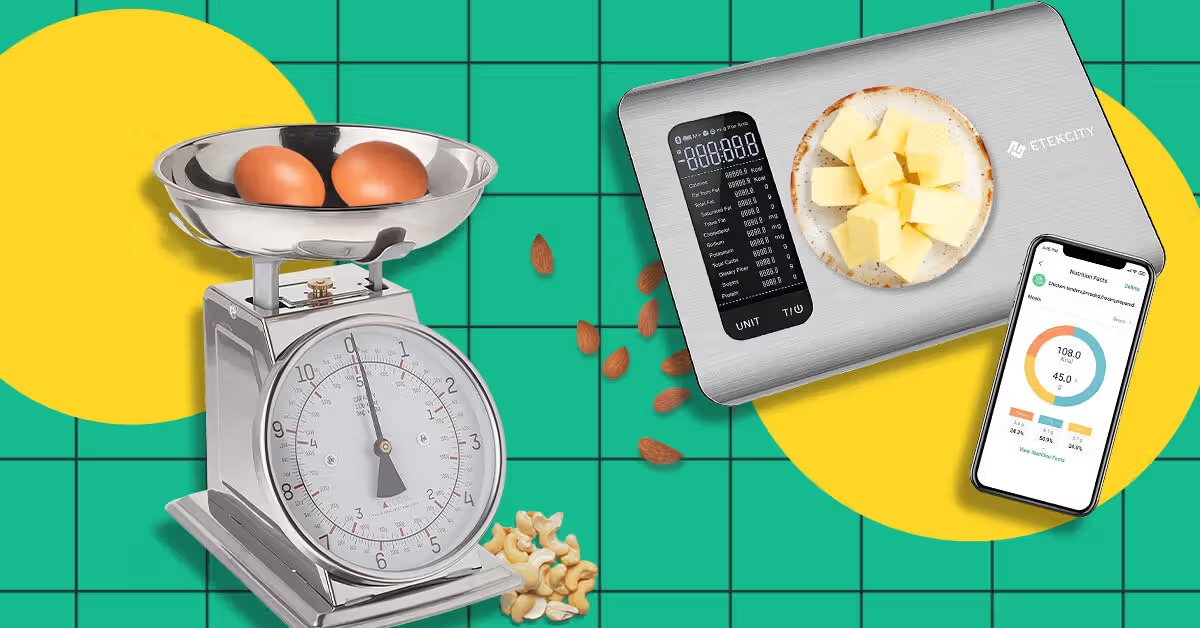
A top-tier digital scale typically measures in increments of 1 gram or 0.1 ounces. For highly sensitive recipes, especially in molecular gastronomy or delicate pastry work, some scales offer even finer increments. This micro-level precision is what sets digital scales apart and makes them invaluable.
Tare Function: The Game-Changer
What does the tare function do? It allows you to zero out the weight of a container or any previously added ingredients, so you can measure subsequent ingredients accurately in the same bowl. This feature is fundamental for recipes that require adding multiple ingredients sequentially, saving you from using countless bowls and simplifying your workflow.
Capacity and Weight Limits
Consider the maximum weight a scale can handle. Most kitchen scales range from 5 kg (around 11 lbs) to 10 kg (around 22 lbs). If you often cook for large families or prepare big batches of food, a higher capacity might be beneficial. Conversely, if you only need to weigh small portions for daily meals, a lower capacity scale might suffice and take up less space.
Unit Conversion: Grams to Ounces, and Beyond
The ability to switch between measurement units (grams, ounces, pounds, milliliters, fluid ounces) is incredibly convenient. Recipes from around the world often use different systems, and seamless conversion means you can follow any recipe without tedious manual calculations. This versatility makes the best kitchen digital weighing scale a global kitchen companion.
Material and Design: Durability Meets Aesthetics
Scales come in various materials, including stainless steel, tempered glass, and plastic. Stainless steel and glass are generally easier to clean and more hygienic, resisting stains and odors. A slim, compact design is often preferred for easy storage, while a larger platform can accommodate bigger bowls or plates. Look for models with anti-slip feet for stability during use.
Display Readability and Smart Features
A clear, backlit LCD display is crucial for easy reading, especially in dimly lit kitchens. Some scales offer auto-off features to conserve battery life, and a few advanced models even include nutritional databases or Bluetooth connectivity to sync with cooking apps, although these are less common for basic kitchen use.
Choosing Your Perfect Match: A Buyer’s Guide
Selecting the best kitchen digital weighing scale doesn’t have to be overwhelming. Here’s a quick guide to help you pinpoint what’s right for you.
What Are Your Cooking Habits?
If you’re a passionate baker who measures every gram, prioritize a scale with high accuracy and a robust tare function. For someone who mainly focuses on portion control or general cooking, a simpler model with good basic functionality will be more than adequate.
Budgeting for Brilliance
Digital kitchen scales are available at various price points. You can find excellent basic models for a reasonable cost, while premium scales offer enhanced durability, specialized features, and sometimes a more aesthetic design. Determine your budget first, then look for the best features within that range.
Brand Reputation and Warranty
Opting for reputable brands often means better product quality and customer support. Check for warranties, as they can provide peace of mind in case of defects or issues. Reading user reviews can also offer valuable insights into a brand’s reliability.
Considering Size and Storage
Kitchen space is precious. If you have limited counter or cabinet space, a slim, compact scale that can be easily tucked away is a smart choice. However, ensure the platform is large enough to comfortably hold your typical mixing bowls.
Mastering Your Scale: Tips for Effective Use and Care
Once you’ve found your best kitchen digital weighing scale, knowing how to use and maintain it will ensure its longevity and continued accuracy.
Getting Started: First Use and Calibration
Most modern digital scales are ready to use right out of the box. Simply install batteries (if not rechargeable) and power it on. Some scales may require initial calibration, which involves placing a known weight on the platform and adjusting the scale to match. Always consult your specific model’s manual for precise instructions. Regularly check its accuracy by weighing a known item, like a stick of butter or a pre-packaged item.
Cleaning and Maintenance for Longevity
To keep your scale performing optimally, wipe it down with a damp cloth after each use. Avoid immersing it in water or using harsh abrasive cleaners, which can damage the electronic components. Store it in a dry place, away from extreme temperatures and heavy objects that could accidentally press down on the weighing platform.
Troubleshooting Common Issues
If your scale gives inconsistent readings, first check the battery level. Ensure it’s on a flat, stable surface, as unevenness can affect accuracy. Also, verify that nothing is touching the scale or interfering with the weighing platform. Sometimes, a quick reset (removing and reinserting batteries) can resolve minor glitches.
Beyond Baking: The Multifaceted Benefits of a Digital Scale
The utility of a digital kitchen scale extends far beyond just precise baking.
Achieving Culinary Consistency
Whether you’re cooking a new recipe or perfecting an old favorite, a digital scale ensures every ingredient is measured exactly. This leads to consistently delicious results, allowing you to replicate dishes perfectly every time. Say goodbye to that feeling of “it tasted better last time.”
Portion Control and Healthy Eating
For those mindful of their diet or managing specific health conditions, a digital scale is an invaluable tool for portion control. It allows you to accurately measure food servings, helping you adhere to dietary guidelines and track your intake more effectively, fostering healthier eating habits without the guesswork.
Reducing Food Waste
By measuring ingredients precisely, you’re less likely to over-prepare or waste food. This is particularly useful for expensive ingredients or when cooking for specific numbers of people, ensuring you use just what you need.
A Modern Upgrade from Mechanical Scales
Compared to traditional mechanical scales, digital models offer vastly superior accuracy, finer measurement increments, and the indispensable tare function. They are often more compact, easier to read with digital displays, and offer convenient unit conversion.
“In the world of baking, a gram can be the difference between perfection and ‘what happened here?’ A reliable digital scale isn’t just a tool; it’s your culinary compass,” states Chef Antoine Dubois, a renowned pastry chef and culinary instructor. “And for everyday cooking, its precision truly elevates flavor consistency and health management.”
Expert Insights: What the Pros Say
Professional chefs and nutritionists consistently advocate for the use of digital kitchen scales in any home kitchen.
“From a nutritional standpoint, accurate portioning is paramount,” explains Dr. Evelyn Reed, a nutritionist and food science expert. “A digital kitchen scale empowers you to understand and manage exactly what goes onto your plate, fostering healthier habits without guesswork.”
FAQs About Digital Kitchen Scales
Q1: How accurate are digital kitchen scales?
A1: Most digital kitchen scales offer high accuracy, typically measuring in 1-gram or 0.1-ounce increments, making them far more precise than traditional measuring cups and spoons for both dry and liquid ingredients.
Q2: Can I weigh liquids on a digital kitchen scale?
A2: Yes, you can absolutely weigh liquids on a digital kitchen scale. It’s often more accurate than using volume measures like cups, especially for viscous liquids or when a recipe specifies weight. Use the tare function with a container.
Q3: What does the tare function do?
A3: The tare function allows you to subtract the weight of a container or any ingredients already on the scale, effectively resetting the display to zero so you can measure subsequent ingredients accurately.
Q4: How often should I calibrate my digital kitchen scale?
A4: Most home digital kitchen scales do not require frequent manual calibration. However, if you notice inconsistent readings or drop the scale, it’s wise to check its accuracy against a known weight and calibrate if your model allows.
Q5: Are expensive scales always better?
A5: Not necessarily. While higher-priced scales often boast more durable materials, advanced features, or sleek designs, many affordable models offer excellent accuracy and all the essential functions for everyday kitchen use.
Conclusion
Embracing the best kitchen digital weighing scale is more than just adding another gadget to your counter; it’s an investment in culinary success, health, and efficiency. From ensuring consistently perfect baked goods to precisely managing your portion sizes, a digital scale empowers you with the accuracy you need. It’s simple to use, easy to maintain, and offers a host of benefits that mechanical scales simply can’t match. So, take the leap, upgrade your kitchen, and discover the transformative power of precision. Your cooking will thank you.