Baking is often called a science, and for good reason. Unlike cooking, where a pinch of this and a dash of that can often lead to delicious improvisation, baking thrives on precision. Every gram of flour, every milliliter of liquid, and every pinch of leavening agent plays a critical role in the final texture, flavor, and rise of your culinary creations. This is where a trusty digital kitchen scale steps in, transforming guesswork into consistent, professional-level results. If you’re serious about your sourdough, passionate about your pastries, or mastering your macarons, finding the Best Digital Kitchen Scale For Baking isn’t just an upgrade; it’s a necessity.
Why a Digital Kitchen Scale is Your Baking MVP
Imagine trying to bake a perfect cake using only volume measurements. Cups and spoons can vary wildly depending on how packed the ingredient is, humidity, or even the slight difference in spoon size. A digital kitchen scale eliminates these variables entirely, offering unparalleled accuracy. You’ll achieve consistent results every single time, making your recipes reliable and your baking adventures far less stressful. Plus, weighing ingredients directly into your mixing bowl using the tare function means fewer dishes to wash – a win in any kitchen!
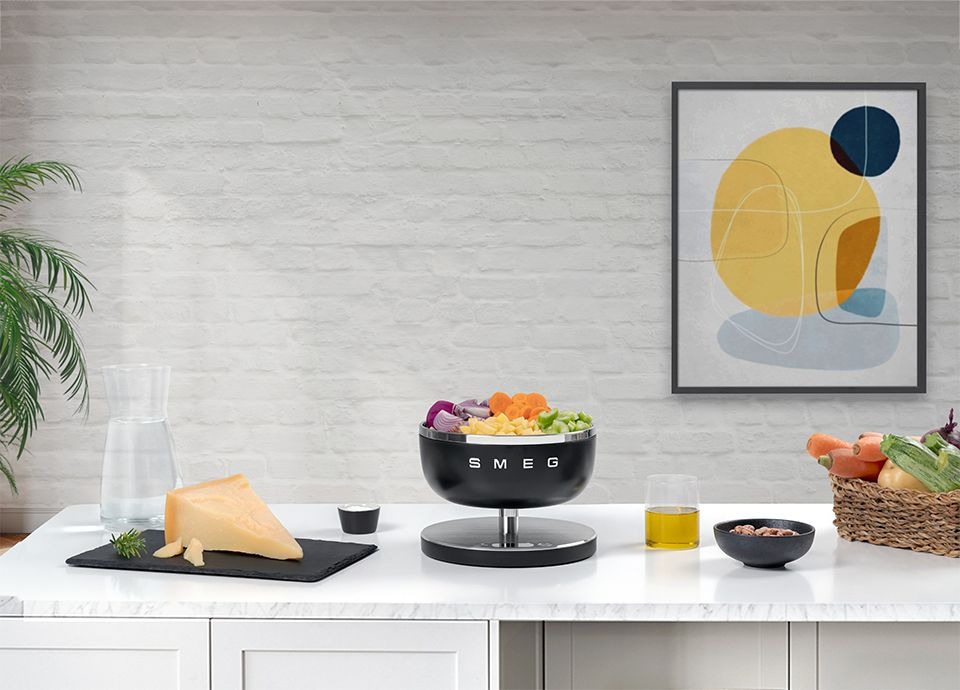
“Precision is the bedrock of baking. A quality digital kitchen scale transforms guesswork into guaranteed success, especially for delicate recipes like macarons or sourdough,” emphasizes Chef Anya Sharma, a renowned pastry chef and baking instructor. “It’s the most fundamental tool for anyone looking to elevate their baking from good to extraordinary.”
Key Features for the Baking Enthusiast
When searching for the best digital kitchen scale for baking, certain features stand out as non-negotiables for home bakers who demand accuracy and convenience.
Pinpoint Accuracy: Every Gram Counts
For bakers, accuracy is king. Look for a scale that measures in small increments, ideally 0.1 gram (or 0.01 ounce). This level of precision is crucial for tiny but mighty ingredients like yeast, salt, spices, or powerful leavening agents. While some scales measure only to 1 gram, a 0.1g increment will give you the control you need for advanced recipes and ensure your delicate creations turn out perfectly. The more precise the measurement, the more predictable your outcome.
Generous Capacity: No Recipe Too Big
Consider the maximum weight a scale can handle. While many scales top out around 5-10 pounds (2-5 kg), bakers often work with larger quantities of flour, sugar, or dough. A scale with a capacity of 11-22 pounds (5-10 kg) or more ensures you can weigh all your ingredients for a large batch of bread or multiple cake layers without needing to portion things out.
The Magic of Tare: Simplify Your Workflow
The tare function is a baker’s best friend. It allows you to zero out the weight of your bowl or previous ingredients, so you can add subsequent ingredients directly into the same container and measure only their weight. This not only saves time and reduces dirty dishes but also encourages adding ingredients in the order specified by the recipe, crucial for proper emulsification and mixing.
Multiple Measurement Units: Global Recipes Welcome
The best digital kitchen scale for baking should offer a variety of units: grams (g), ounces (oz), pounds (lb), and ideally milliliters (ml) and fluid ounces (fl oz) for liquids. Many international recipes use grams, while American recipes often use ounces or pounds. Having the flexibility to switch between units easily means you can tackle any recipe from around the globe without tedious conversions.
Clear, Backlit Display: Readability in Any Light
Baking can get messy, and your kitchen lighting might not always be ideal. A large, easy-to-read display with a backlight is invaluable. It ensures you can clearly see the measurements even when flour dust is flying or in dimly lit corners of your kitchen. Look for scales where the display isn’t easily obscured by large mixing bowls.
Easy-to-Clean Platform: Hygiene Matters
Let’s face it, baking can be gloriously messy. A scale with a smooth, wipeable surface, often stainless steel or tempered glass, is a dream for cleanup. Some even feature removable platforms that are dishwasher safe. This attention to easy cleaning helps maintain hygiene and keeps your scale looking pristine.
Sleek Design & Durability: A Kitchen Companion
While aesthetics aren’t everything, a scale that fits your kitchen decor is a plus. More importantly, consider its footprint on your counter and how easily it can be stored. Durability is also key; opt for models made with high-quality materials that can withstand the rigors of frequent kitchen use.
Choosing Your Perfect Baking Partner
With so many options, how do you pick the best digital kitchen scale for baking for your needs?
- Consider Your Baking Style: Do you primarily bake delicate items like pastries and macarons that require extreme precision? Then prioritize a scale with 0.1g increments. If you’re mostly making large batches of bread or cookies, a higher capacity might be more important.
- Budget vs. Features: Digital scales come at various price points. Determine what features are essential for you and find a balance with your budget. Often, spending a little more upfront for accuracy and durability pays off in the long run.
- Read Reviews: Real-world feedback from other bakers can provide invaluable insights into a scale’s performance, durability, and any quirks it might have. Look for consistent praise regarding accuracy and ease of use.
- Size Matters: Think about the size of your mixing bowls. Ensure the scale’s platform is large enough to accommodate your bowls without completely covering the display. Also, consider your storage space.
Tips for Mastering Your Digital Scale
Even with the best digital kitchen scale for baking, a few simple practices will ensure you get the most out out of it:
- Flat Surface is Key: Always place your scale on a flat, stable, and level surface to ensure accurate readings. Any tilt can affect the weight.
- Zero Out Properly: Before adding any ingredients, make sure the scale reads “0” with your bowl on it. If you’re adding multiple ingredients, remember to tare after each addition.
- Keep it Clean: Wipe down your scale after each use, especially if there are spills. This prevents sticky build-up and ensures longevity.
- Battery Care: Most digital scales use standard batteries. Keep spares on hand and replace them when the display indicates low power to avoid inaccurate readings mid-recipe.
Digital vs. Mechanical: Why Digital Wins for Bakers
While mechanical scales have a nostalgic charm, for precision baking, digital scales are overwhelmingly superior. Mechanical scales are often less accurate, especially for small measurements, and lack the convenient tare function. Their spring mechanisms can also lose calibration over time. Digital scales, on the other hand, offer consistent, precise readings, easily switch between units, and tare with a simple button press, making them the clear winner for any serious baker.
Baking Bliss: The Benefits of Going Digital
Embracing a digital kitchen scale opens up a world of baking possibilities:
- Consistent Results: Say goodbye to unpredictable outcomes. Your baked goods will turn out perfectly every time you follow the recipe.
- Less Waste: Accurate measurements mean less chance of recipe failures, saving you ingredients and money.
- Healthier Portions: Precisely measure ingredients for dietary baking or portion control.
- Explore New Recipes: Confidently tackle complex recipes from professional cookbooks or international sources that rely on metric weights.
- Effortless Creativity: Once you master precision, you’ll have a better understanding of how ingredients interact, empowering you to experiment and create your own recipes with confidence.
Frequently Asked Questions
Q: How accurate does my scale need to be for baking?
A: For most home baking, a scale that measures to 1 gram (or 0.1 oz) is sufficient. However, for highly precise work like macarons, bread starters, or small amounts of critical ingredients, a scale with 0.1 gram increments is highly recommended.
Q: Can I measure liquids on a digital kitchen scale?
A: Yes, absolutely! You can measure liquids by weight (e.g., grams or ounces). Many recipes, especially professional ones, provide liquid measurements by weight because it’s more accurate than volume, especially for viscous liquids. Some scales even have dedicated fluid ounce (fl oz) or milliliter (ml) settings.
Q: What’s the “tare” function for?
A: The tare function allows you to zero out the weight of a container (like a mixing bowl) or a previously added ingredient. This way, you can measure successive ingredients directly into the same bowl, ensuring you’re only weighing the new addition and not the accumulated weight.
Q: Are expensive scales always better for baking?
A: Not necessarily. While higher-priced scales often offer more features, better build quality, or finer accuracy, many mid-range digital kitchen scales provide excellent performance for most baking needs. Focus on the essential features for baking rather than just the price tag.
Q: How do I clean my digital kitchen scale?
A: For most digital kitchen scales, a damp cloth with mild soap is sufficient for cleaning the platform and body. Avoid submerging the scale in water. If your scale has a stainless steel or glass platform, it’s usually very easy to wipe clean. Some models have removable platforms that are dishwasher safe.
Your Journey to Baking Perfection Starts Here
A digital kitchen scale isn’t just another gadget; it’s a fundamental tool that will revolutionize your baking. It brings accuracy, consistency, and confidence to every recipe, allowing you to achieve professional-level results in your home kitchen. From delicate pastries to rustic loaves of bread, the precision offered by the best digital kitchen scale for baking will quickly become your secret ingredient for culinary success. Invest in one today, and prepare to elevate your baking game to new, delicious heights!