Ever wonder why your grandma’s cookies always turn out perfect, while yours are sometimes a delightful dream and other times a crumbly catastrophe? The secret might just be an Accurate Digital Kitchen Scale. In the world of cooking and especially baking, precision isn’t just a fancy word – it’s the foundation of consistent, delicious results. Ditching those unreliable measuring cups for the pinpoint accuracy of a kitchen scale can truly elevate your culinary game, transforming inconsistent experiments into repeatable triumphs.
Why Every Kitchen Needs an Accurate Digital Kitchen Scale
Let’s get real: cooking is often an art, but baking? That’s pure science. From the delicate chemistry of leavening agents to the precise balance of fats and flours, even the slightest deviation in ingredient measurements can throw your whole recipe out of whack. This is where an accurate digital kitchen scale becomes your unsung hero.
Imagine you’re baking a delicate chiffon cake. A “cup” of flour can vary significantly in weight depending on how it’s scooped or packed. Some might dip and sweep, others might pack it tight, and each method incorporates a different amount of air, leading to inconsistent flour weights. But with an accurate digital kitchen scale, “every time you measure 22 grams of flour, it will be 22 grams of flour. It’s exact and there’s no room for error,” explains Melissa Cassese, baker and owner of Sweetie Pies. This consistency isn’t just for flour; it applies to every single ingredient, ensuring your recipes turn out perfectly, every single time.
Beyond baking, an accurate digital kitchen scale is invaluable for portion control and mindful eating. If you’re managing your calorie intake or following a specific diet, precise measurements are crucial. Chef-instructor Trung Vu from the Institute of Culinary Education highlights another benefit: “Not only will all your pastries look the same, but they’ll also bake more evenly,” a testament to the power of consistent portioning. It also simplifies scaling recipes up or down, making quick work of calculations that would be cumbersome with volume measurements. Plus, it can reduce kitchen mess by allowing you to measure multiple ingredients directly into one bowl, saving precious cleanup time.
The Pitfalls of Volume Measurement
We’ve all been there: scooping flour, leveling it off, and thinking we’re being precise. But the truth is, volume measurements like cups and spoons are inherently flawed for dry ingredients. The density of ingredients like flour, sugar, or even chopped vegetables can vary wildly based on how much they’re compacted or aerated. This means your “cup” of flour might weigh anywhere from four to six ounces, leading to unpredictable outcomes in your baking. A digital scale, however, measures by weight, eliminating these inconsistencies entirely.
What Makes a Digital Kitchen Scale Truly Accurate? Key Features to Look For
Choosing the right accurate digital kitchen scale can feel overwhelming with so many options out there. But focusing on a few key features will help you find a reliable partner for your culinary adventures.
Precision and Readability
The hallmark of an accurate digital kitchen scale is its precision. Look for models that can measure in small increments, typically 1 gram (or 0.1 ounce). For tasks requiring extreme exactness, like measuring yeast for artisan bread or spices for molecular gastronomy, scales with 0.1-gram precision are available.
Equally important is a clear, easy-to-read display. Backlit screens are a huge plus, especially in dimly lit kitchens. Some innovative designs, like the OXO Good Grips scale, even feature a pull-out display. This is incredibly handy when you’re using a large mixing bowl that might otherwise obscure the screen.
The Indispensable Tare Function
If there’s one feature you can’t live without on an accurate digital kitchen scale, it’s the tare function. This magical button resets the scale to zero, allowing you to weigh ingredients directly into any container without including the bowl’s weight. It’s also perfect for adding multiple ingredients to the same bowl, taring after each addition to measure precisely.
Unit Conversion Capabilities
Most high-quality digital scales offer multiple units of measurement, including grams (g), ounces (oz), pounds (lb), and kilograms (kg). Some even include milliliters (ml) and fluid ounces (fl oz) for liquids. It’s crucial to remember that volume units (ml, fl oz) are only truly accurate for liquids with a density similar to water, like milk or juice. For other liquids or dry ingredients, stick to weight measurements for true accuracy.
Capacity: Matching the Scale to Your Culinary Ambitions
Digital kitchen scales come with varying weight capacities, typically ranging from 11 pounds (5 kg) to 22 pounds (10 kg). Consider what you’ll primarily be weighing. An 11-pound capacity is usually sufficient for most home cooks and bakers, but if you’re regularly making large batches of dough, canning, or preparing family-sized meals, a higher capacity scale might be more suitable. Some specialized scales, like the Ooni Dual Platform, even offer two weighing surfaces: a larger one for bulk ingredients and a smaller, ultra-sensitive one for tiny quantities of ingredients like yeast or spices.
Durability and Easy Cleaning
A kitchen tool needs to withstand the rigors of daily use. Look for scales made from durable materials like stainless steel or glass. Flat surfaces, especially glass-topped models, are generally easier to wipe clean. Keep an eye out for sealed buttons that prevent flour or other ingredients from getting stuck in crevices, as this can be a real pain to clean and can even compromise the scale over time. Remember, most digital scales aren’t waterproof, so a damp cloth is usually your best friend for cleaning, not a full rinse.
Smart Features and Ergonomics
While not strictly about accuracy, these features enhance the user experience. An adjustable auto-off function is excellent for battery life, ensuring your scale doesn’t shut off mid-measurement if you’re taking a moment. Manual push-buttons often provide a more tactile and reliable experience compared to touch-sensitive buttons, especially if your hands are covered in flour. Non-slip pads on the base are also a subtle but important detail, keeping your accurate digital kitchen scale stable on the countertop.
Choosing Your Perfect Accurate Digital Kitchen Scale
With so many options, how do you pick the right one? First, consider your primary use. Are you a meticulous baker, a health-conscious meal prepper, or a coffee enthusiast looking to brew the perfect cup? Each might lead you to prioritize different features, like ultra-fine precision for coffee or high capacity for large baking projects.
Your budget will also play a role, but don’t assume higher price always equals better accuracy. Many affordable scales perform just as well as their pricier counterparts in accuracy tests. Lastly, think about size and storage. While some scales offer ample weighing surfaces, they might take up more cabinet space. Remember to store your scale flat and without anything on top to maintain its calibration over time.
Mastering Your Scale: Tips for Usage and Maintenance
Getting the most out of your accurate digital kitchen scale goes beyond just buying it. Proper usage and maintenance are key to ensuring its longevity and consistent precision.
- Level Surface is Non-Negotiable: Always place your scale on a flat, stable, and even surface. A wobbly surface can lead to fluctuating readings, making accurate measurements nearly impossible.
- Tare It Right: Turn on your scale, place your empty bowl or container on it, then press the tare button to zero it out. Placing the bowl before turning it on can sometimes lead to errors.
- Center Your Load: Always try to place items in the center of the weighing platform for the most accurate reading. Off-center weights can sometimes lead to slight discrepancies, especially on less sensitive scales.
- Slow and Steady Wins the Race: When adding ingredients, pour them slowly and let the scale settle. This prevents over-pouring and ensures you hit your target weight precisely.
- Calibration is Key: Even the best scales can drift over time. Many scales allow for home calibration. If yours doesn’t, periodically check its accuracy with items of known weight, like a specific number of coins (four U.S. nickels should weigh exactly 20 grams) or a precisely measured pound of butter. Low batteries can also cause inconsistencies, so replace them regularly. As pastry arts instructor Erin Kanagy-Loux advises, “If I only had one scale, I would use something that I knew the exact weight of, like a pound of butter” to check its accuracy.
- Clean with Care: Wipe down your scale after each use. For most digital scales, a damp cloth (not soaking wet!) is best. Avoid harsh chemicals that could damage the display or surface.
Digital vs. Mechanical Scales: Why Digital Wins for Accuracy
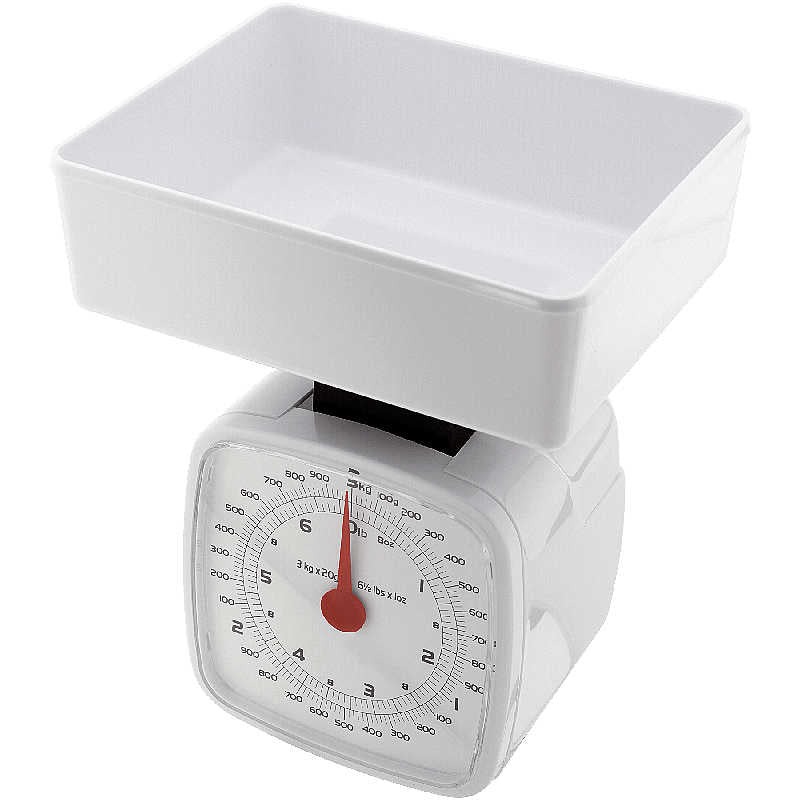
While mechanical scales have a nostalgic charm, for sheer accuracy and convenience, digital scales are the undisputed champions. Mechanical scales rely on springs and often have a wider margin of error, making precise measurements difficult. They typically lack a tare function, meaning you always have to subtract the container’s weight manually, and rarely offer multiple units of measurement. An accurate digital kitchen scale, with its precise sensors, instant readings, tare function, and unit conversion capabilities, provides an unparalleled level of control that mechanical scales simply can’t match.
Frequently Asked Questions
How often should I calibrate my digital kitchen scale?
It’s a good practice to check your scale’s accuracy periodically, especially if you notice inconsistent results. If your scale has a calibration function, follow the manufacturer’s instructions. Otherwise, use a known weight (like four U.S. nickels which should be 20 grams) to test its precision.
Can I measure liquids on a digital kitchen scale?
Yes, you can, but with a caveat. While many scales offer volume units like milliliters (ml) or fluid ounces (fl oz), these are only accurate for liquids that have a density similar to water. For oils, honey, or other liquids with different densities, always use weight measurements (grams or ounces) for true accuracy.
What is the tare function and why is it important?
The tare function allows you to reset the scale’s reading to zero, effectively subtracting the weight of any container placed on it. This is crucial because it lets you measure ingredients directly into your mixing bowl, and also allows you to add multiple ingredients to the same bowl, measuring each one precisely after taring.
What capacity do I need for a kitchen scale?
For most home cooks and bakers, a scale with an 11-pound (5 kg) capacity is usually sufficient. If you frequently prepare large batches, such as big bread doughs or large quantities for preserving, a 22-pound (10 kg) capacity might be more suitable.
Are all digital kitchen scales accurate?
While digital scales are generally more accurate than mechanical ones, their precision can vary. Reputable brands and models often undergo rigorous testing to ensure accuracy, typically within a gram or a tenth of a gram. Always read reviews and consider models known for their consistent performance.
Can an accurate digital kitchen scale help with portion control?
Absolutely! By precisely weighing your food, an accurate digital kitchen scale removes the guesswork from portioning. This is incredibly helpful for managing dietary intake, adhering to nutritional plans, or simply ensuring consistent serving sizes for everyone at the table.
How do I clean my digital kitchen scale?
Most digital kitchen scales are not waterproof and should not be submerged in water. For cleaning, use a lightly damp cloth to wipe down the surface. For sticky or powdery residues around buttons or crevices, a dry brush can be helpful. Always refer to your scale’s specific cleaning instructions.
Conclusion
An accurate digital kitchen scale is far more than just another gadget; it’s an investment in your culinary success. It’s the tool that brings scientific precision to your recipes, ensuring every bake is consistently perfect, every meal thoughtfully portioned, and every new cooking adventure a triumph. Embrace the precision, minimize the mess, and unlock a new level of confidence and consistency in your kitchen. So, if you’re ready to elevate your cooking and baking from good to consistently great, it’s time to make an accurate digital kitchen scale a cornerstone of your kitchen toolkit.